The cheapest lens I’ve ever used.
In a world where camera and lens features are more advanced than ever, TTArtisan have gone in the opposite direction with their latest offering. Their new Neo 50mm prime lens strips away both focus and aperture rings (yes, that’s right: no focus ring) for what they call "a more direct shooting experience."
Somewhere along the line, I ended up on an email list that occasionally grants me access to prerelease gear from TTArtisan. I'm not paid or sponsored by them, nor am I ever obligated to say or do anything with the lenses. The only rule they've ever asked me to follow is not to publish anything before the gear goes on sale. So when I was asked if I'd like to try an ultra budget £89 prime lens that has zero tactile controls, I was intrigued.
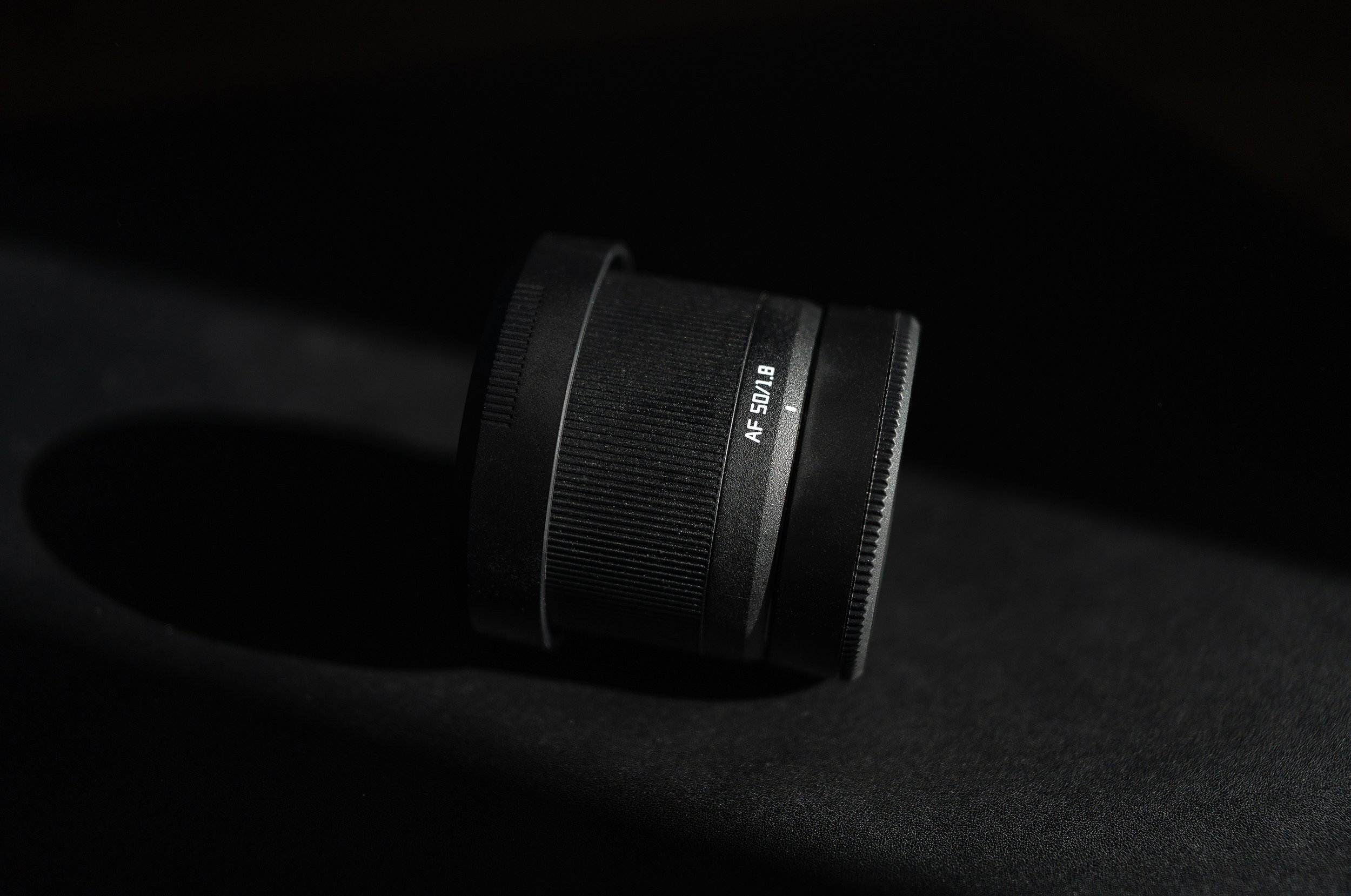
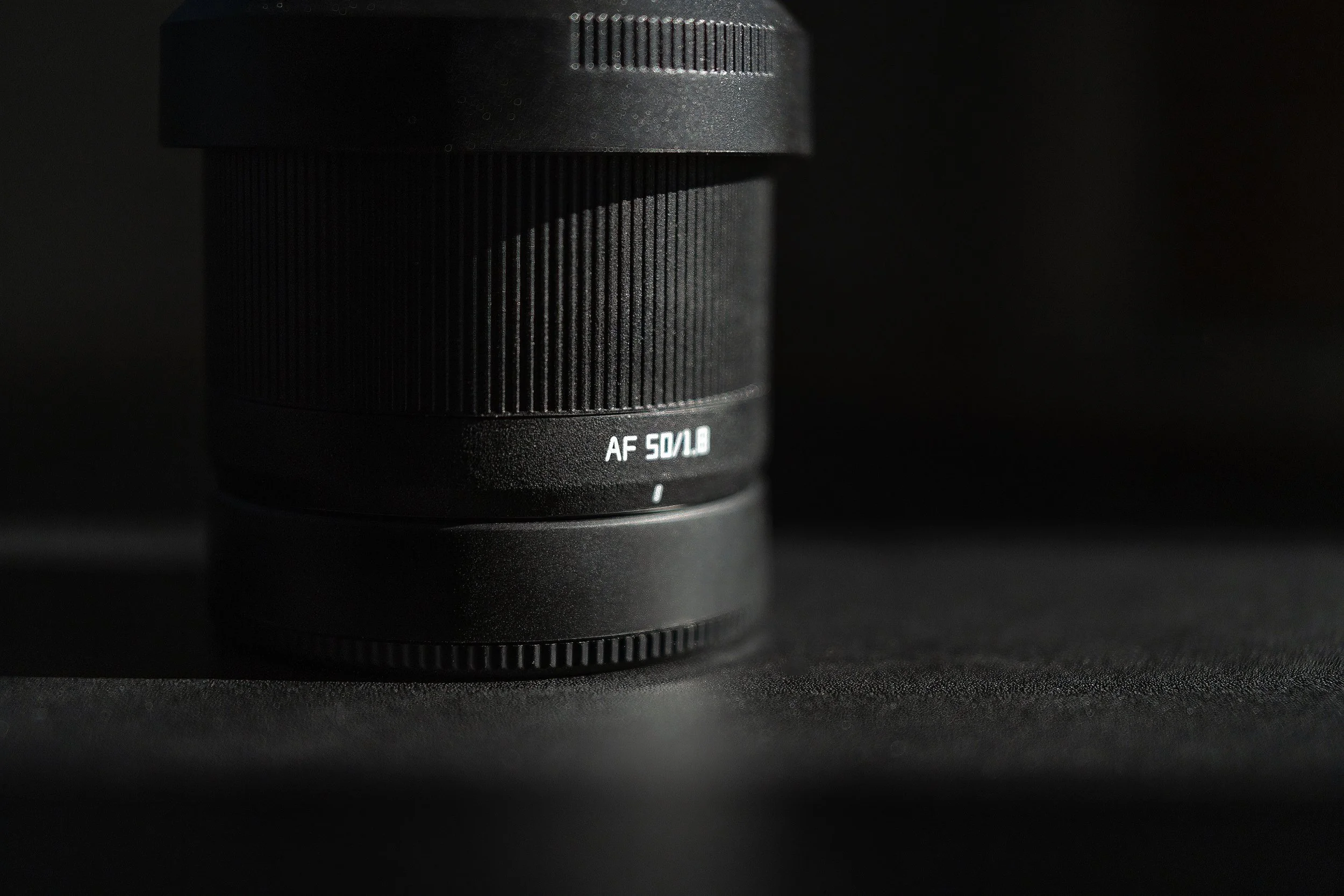
First impressions.
By this point, I have used a few budget lenses from TTArtisan, and the unboxing experience was instantly familiar: clean, minimal, sleek packaging, a warranty card, and a small instruction booklet. As with their other lenses, this one ships with a lens hood, albeit a tiny one, likely designed to keep the overall profile as small and light as possible.
Weighing in at around 156g to 167g depending on the mount (E, Z, or L), it's a feather. And given that both the manual focus ring and aperture ring have been stripped away, which might feel strange at first, that sacrifice comes with a massive payoff in portability, making it a prime candidate for an everyday grab and go walkaround option.
The biggest shift when handling this lens compared to other TTArtisan lenses I've used comes down to the build. While you never expect weather sealing or luxury materials on entry level glass, TTArtisan are well known for making budget options that feel surprisingly robust, built entirely from metal and complemented by tactile, clicky aperture rings. Here, that signature feel is gone.
Apart from the metal mount, the body is completely plastic. It feels sturdy, but ultimately cheap. Mind you, as I write that, it is cheap. I also realise I've owned or used £200, £300, and even £400+ lenses that feel exactly like this when it comes to build quality. So again, with an £89 / $89 price tag, can we really complain about that?
One welcome sight, however, was the familiar USB C port on the rear lens cap for firmware updates.
Shot on the Sony A7Cii & TTArtisan AF 50mm 1.8 Neo - f/2.8 - 1/1,600
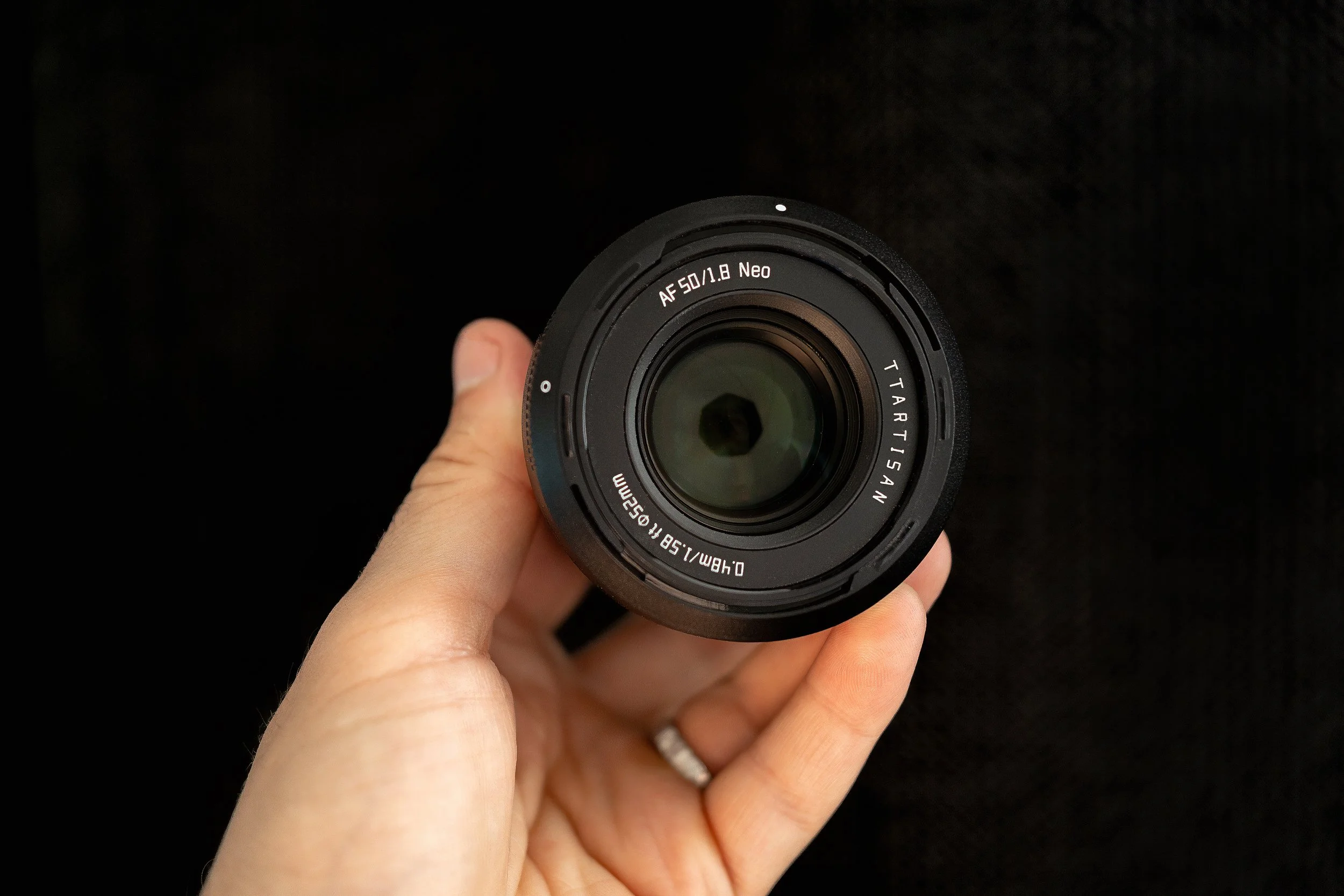
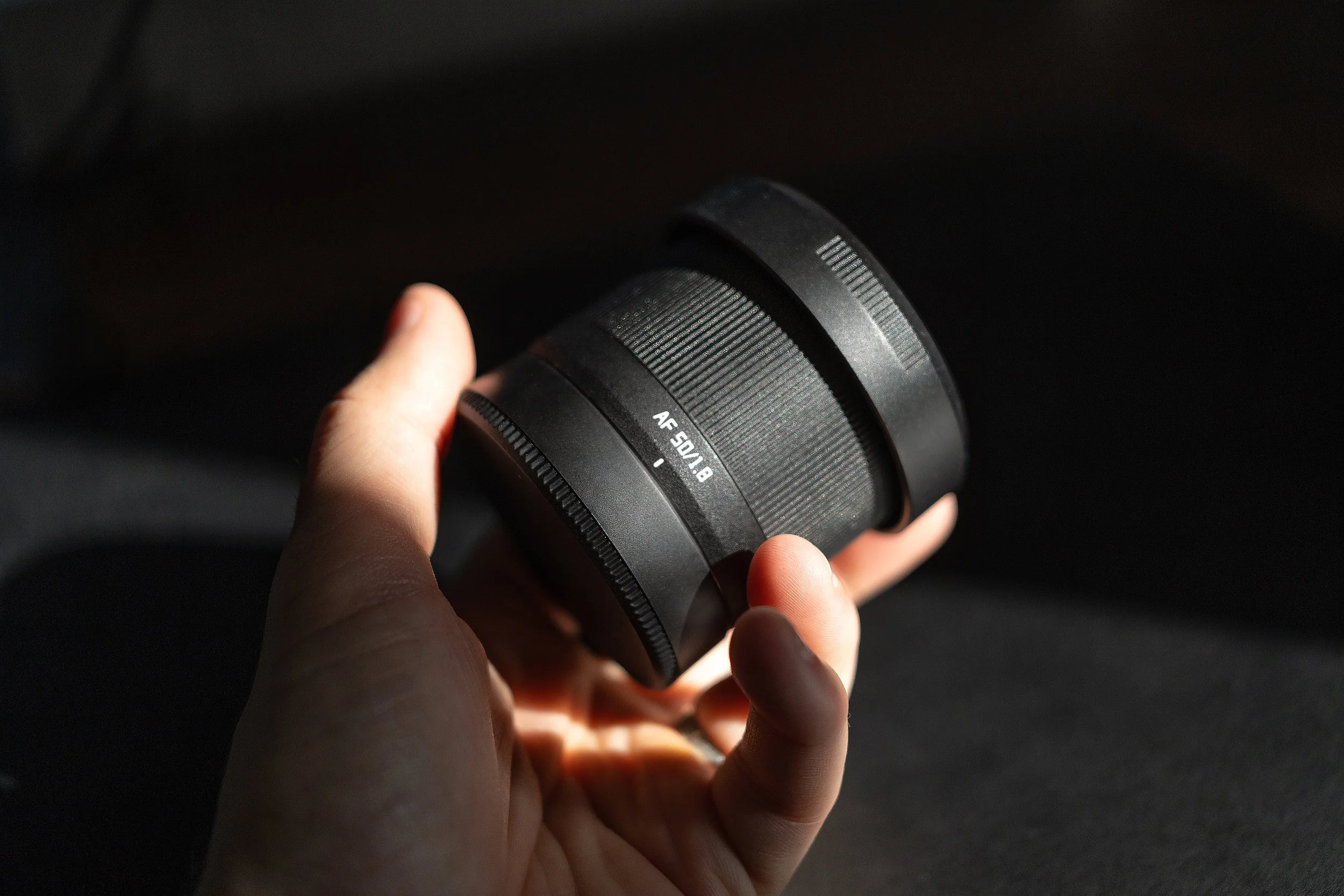
Autofocus
In my testing, the autofocus performance was slower than average, but surprisingly solid for a lens that costs less than a decent night out, I thought it would be far worse. I experienced it hunt once or twice over a few days, but nothing severe enough to make me regret leaving my other lenses behind or become frustrated with the sound of the STM stepping motor. In fact, compared to the entry level native Sony 50mm f1.8, a lens that costs over double the price, this TTArtisan feels remarkably similar to that.
Eye detection and tracking were a big surprise. I put this to the test on my Golden Retriever, a remarkably patient model. The focus locked onto his eyes quickly and held on while he trotted around. For everyday street shooting, travel, and candid family snaps, it quietly gets on with the job, and unless you're already used to the lightning speed of G Master lenses, I doubt you'd question it.
A heads up for video creators, while the motor is generally quiet, if the focus does decide to hunt, that subtle mechanical sound will definitely be picked up by a microphone.
Shot on the Sony A7Cii & TTArtisan AF 50mm 1.8 Neo - f/3.5 - 1/3,200
Character and Image Quality
What kind of rendering do you actually get for under ninety pounds? Wide open at f1.8, the centre sharpness is decent enough, but nothing to rave about. At f2.8 or f4, however, the frame sharpens up considerably. Edge to edge sharpness is really quite good when we get to f8. A very slight softness is still visible in the far corners, but this is always going to be one of those things you either couldn't care less about, or hate with a passion. Personally, I don't mind a tiny bit of corner softness, but then I'm somebody who's never looking for technical perfection across the entire frame; that's just not my shooting philosophy.
You'll also notice pronounced vignetting alongside lens flare when shooting directly into a backlit scene at most apertures. I noticed the vignetting fade away drastically at f8, but in some cases a tiny dark patch was still visible, almost looking like a dust spot (nothing a quick crop or spot heal in post can’t handle).
Rather than viewing these quirks as defects, they give the lens a distinct, vintage character. This isn't desired by everybody, but it does always baffles me how much people talk up the look of old vintage glass and then, in the same breath, talk down modern budget options that have very similar characteristics. I guess it's because cheap vintage lenses are cool right? and one earns a gold star for saying they use one over modern lenses?
It renders subject separation very nicely. In fact, the first major pro I noticed when using this lens was how pleasing the subtle falloff is into the out of focus areas. I’d consider the bokeh to be this lenses top quality, so if it's beautiful bokeh you're after, I think this lens has you covered there.
TTArtisan AF 50mm f1.8 Neo Real World Sample Photos
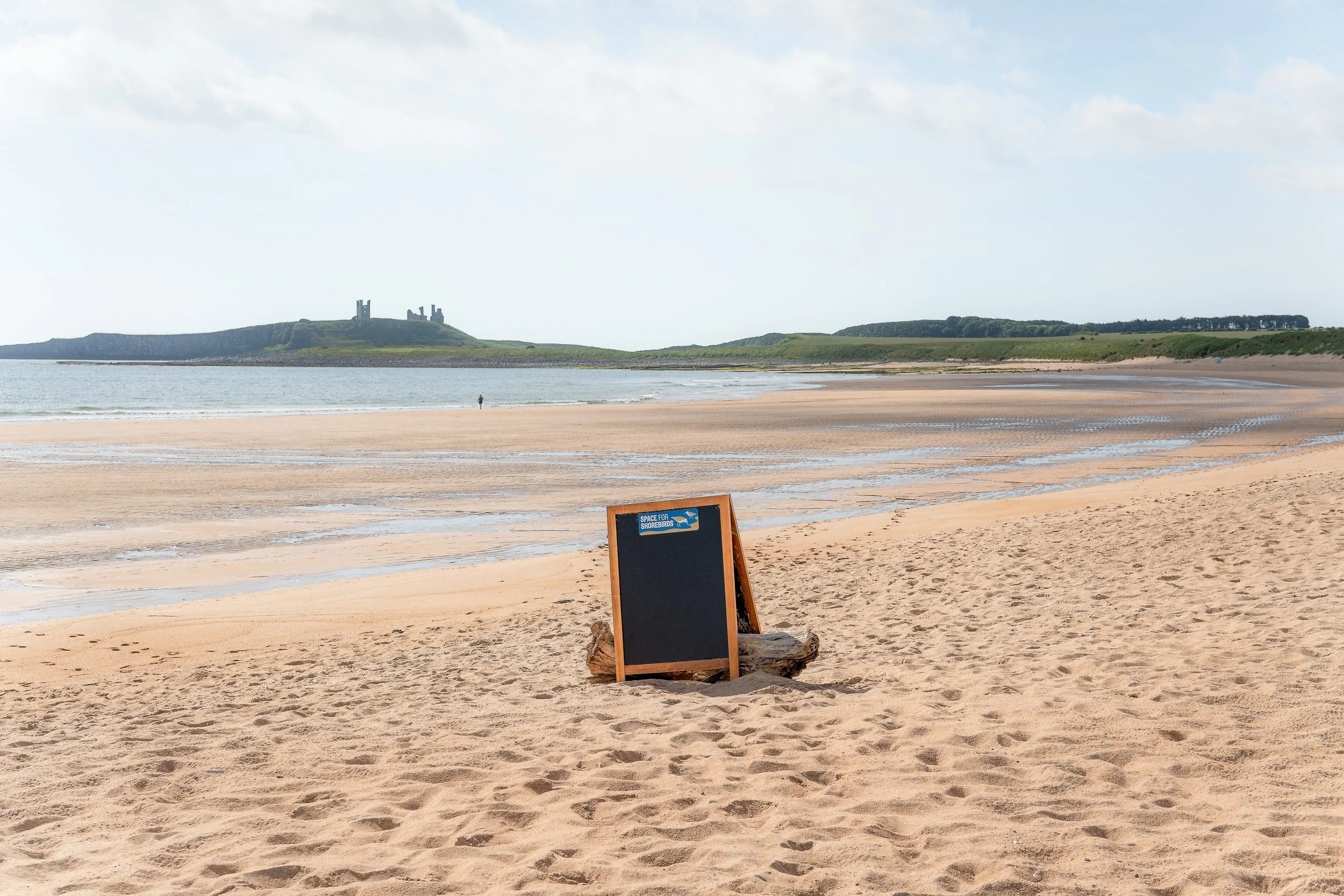
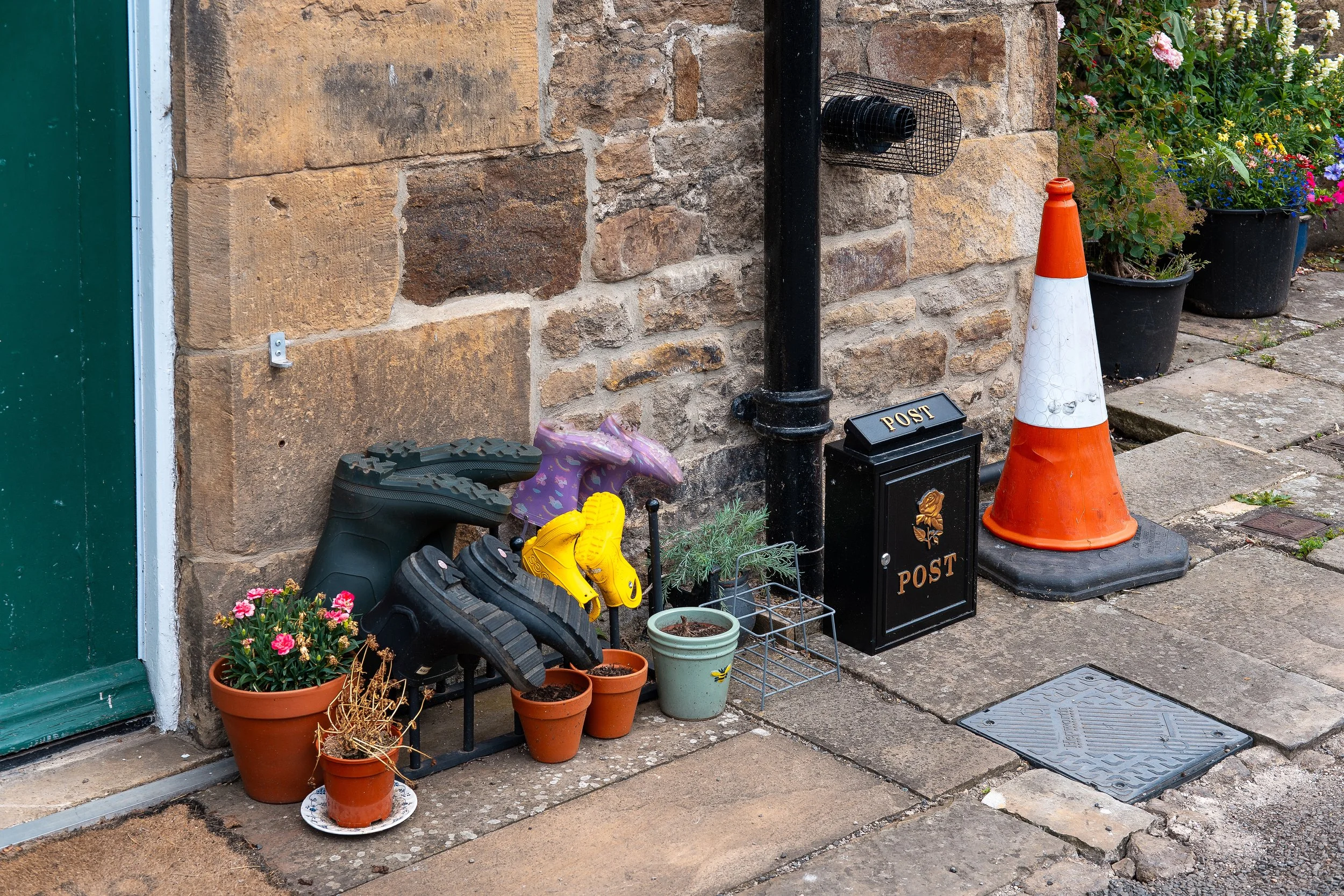
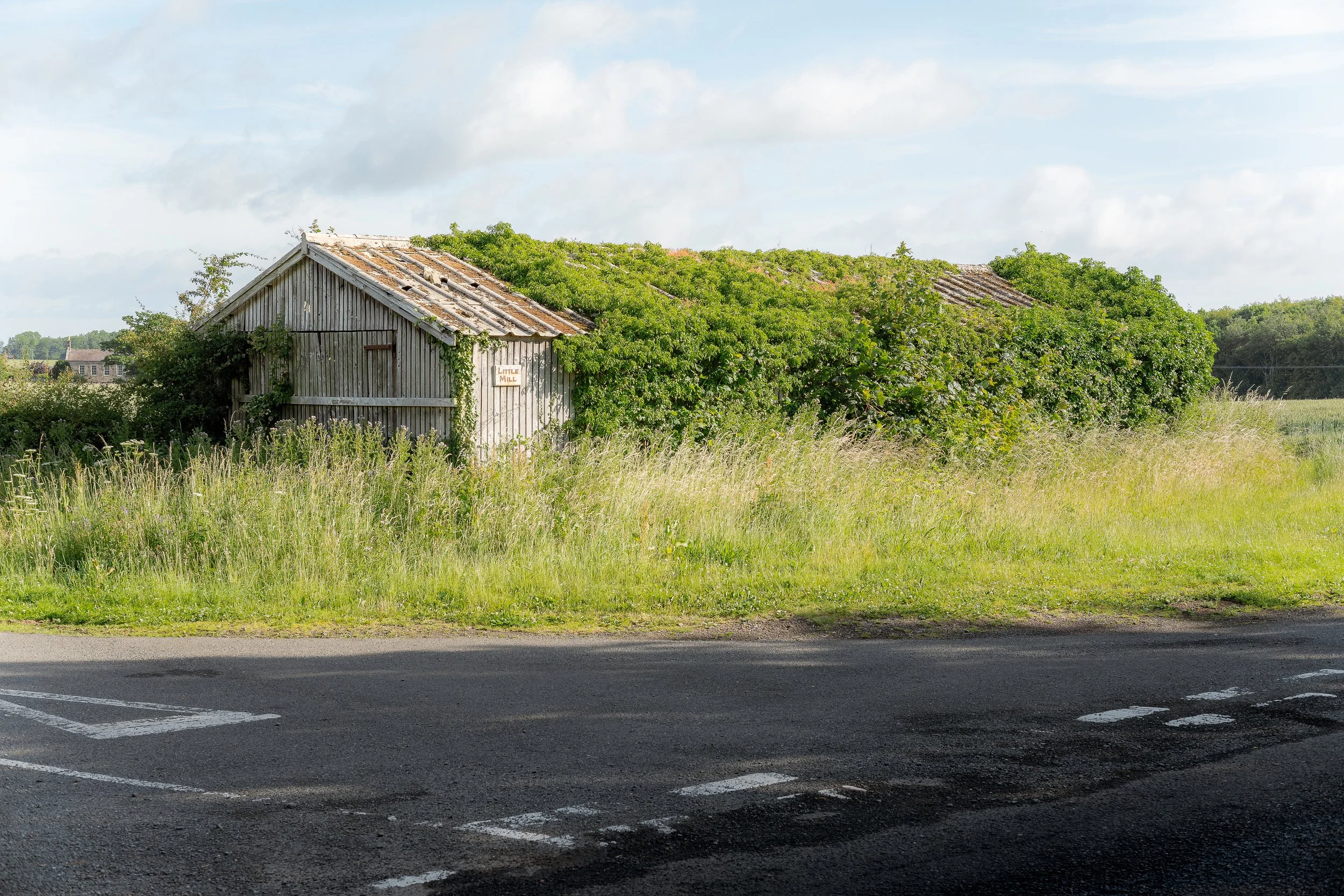
To give you a genuine idea of how this glass renders colours, contrast, and depth in everyday situations, here's a gallery of real world sample images shot across different lighting conditions. All of these were taken using native autofocus without any manual overrides, though I've bumped basic adjustments slightly in post. Keep in mind that images hosted on this blog are downscaled for the web, and what you might consider softness in the frame may have been an intentional choice (such as heavy foreground blur in some of the examples).







Final thoughts
TTArtisan are labelling this lens "Pure Image. Nothing Extra" and, to be honest, I think that sums it up. There aren't any bells or whistles here. You'll be completely immersed in your camera body's controls, almost forgetting the lens is even part of the setup you're carrying.
Personally, I use manual focus quite a bit for studio based client work, but for the average person taking this lens out to grab nice looking snaps, the complete lack of a focus ring isn't a dealbreaker at all. I'd say that's exactly who this lens is aimed at: photographers who don't want any hassle or extra bulk, just nice results.
The tiny package when paired with a compact body like one from the A7C line, makes this a great option for beginner or budget conscious photographers wanting to grab a prime, try the 50mm focal length for the first time, or walk around without being weighed down for hours on end.
Ultimately, if you aren't a pixel peeper, you shoot for fun, and you don't need flawless edge to edge sharpness or clinical images when printed large format.. for a low cost lens with plenty of charm, you'll be extremely happy with the results.
This lens is good enough, for the price tag.


Professional, non-destructive Lightroom presets for RAW files.
The ‘Core Collection’ Lightroom Presets are designed to give you a range of beautiful starting points for your editing process across any genre of photography.
Unlike other Adobe Lightroom presets, these are designed to leave your basic adjustments and exposure values alone, allowing you to fine-tune your images without over-processing them.
Tried, tested, and optimised for RAW files across all major camera brands, this collection offers a selection of minimal, clean, natural and creative colour looks alongside timeless black and white options.
11 Presets for Adobe Lightroom and Camera RAW
2 Quick Adjust Film Grain Presets
Suitable for any genre of photography
Compatible with any camera model or brand
Non-destructive for retaining dynamic range